Buying rural land: what to check before you sign
Current title, subdivision decree, agricultural service approval and the difference between a parcel and a condominium. The paperwork that decides whether the purchase is safe.
Buying rural land looks simple until the acronyms show up: subdivision decrees, agricultural service approvals, tax roll numbers, current title. This is what to check before signing, in order.
I wrote a first version of this in 2022, when a lot of people went looking for land after lockdown. The interest hasn't dropped and the questions are still the same, so here it is updated. It goes hand in hand with what to look at on the site itself: this is the paperwork half, that one is the ground.
First: that the parcel legally exists
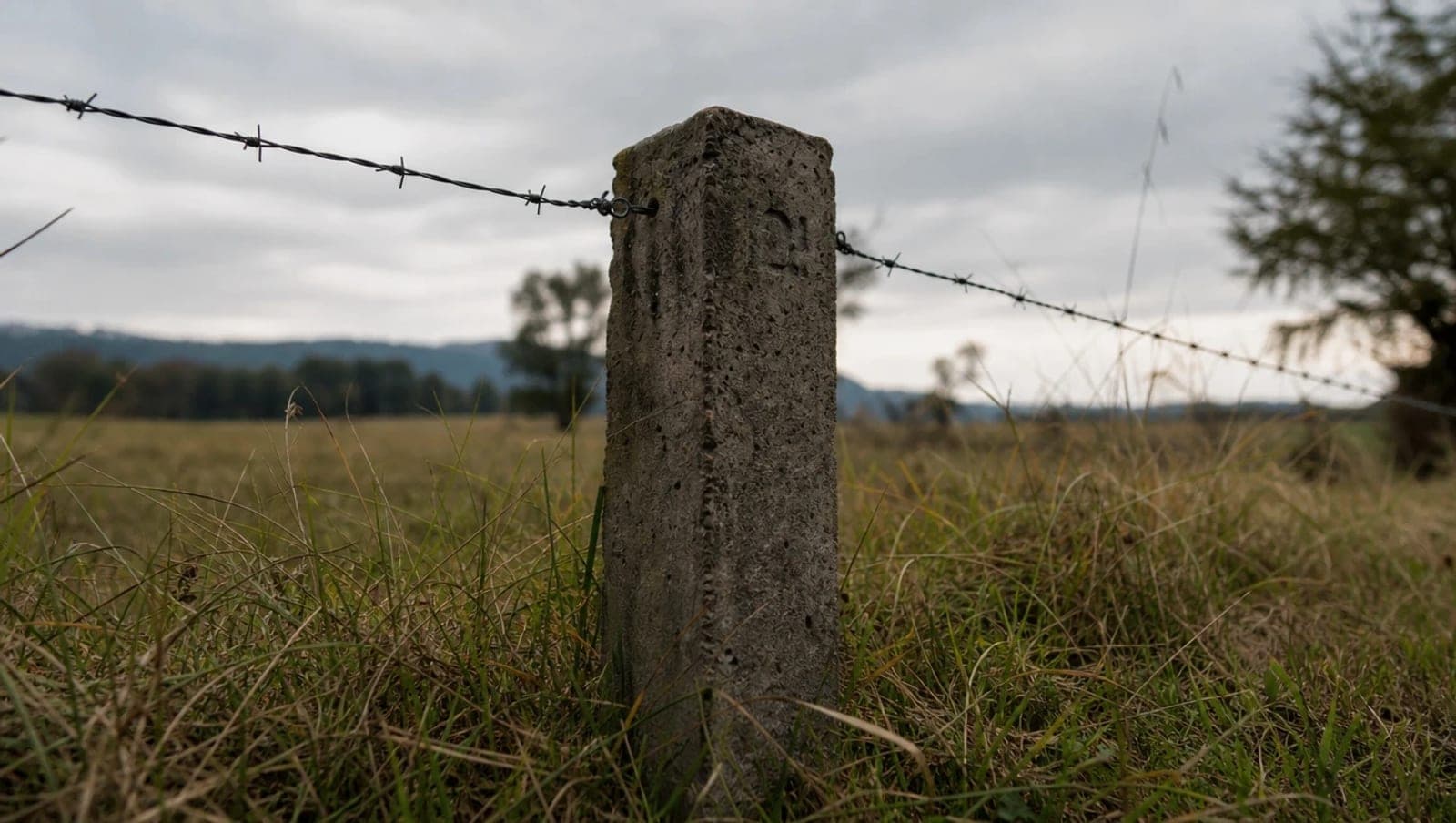
It sounds obvious and it's where most people get caught. A real parcel is registered under its owner's name at the property registry, and you verify that with a current title certificate. If what you're offered is a share in a larger estate, you're not buying land: you're buying a fraction of something that still belongs to everyone.
Ask for the tax roll number too, and compare the area on the certificate with the one on the deed and the survey plan. Mismatches are more common than you'd think, and the problem transfers with the purchase.
Why parcels are 5,000 m²
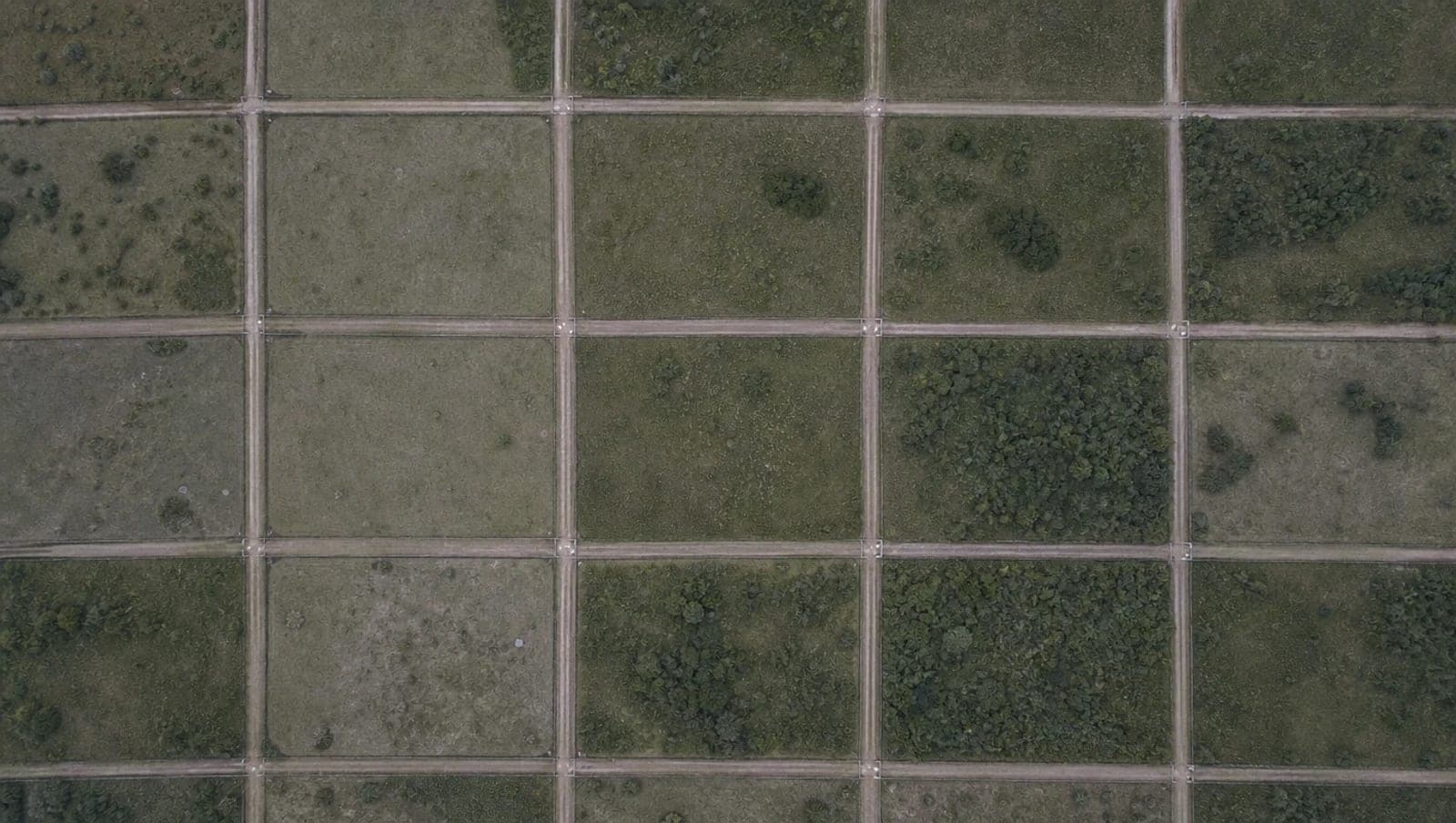
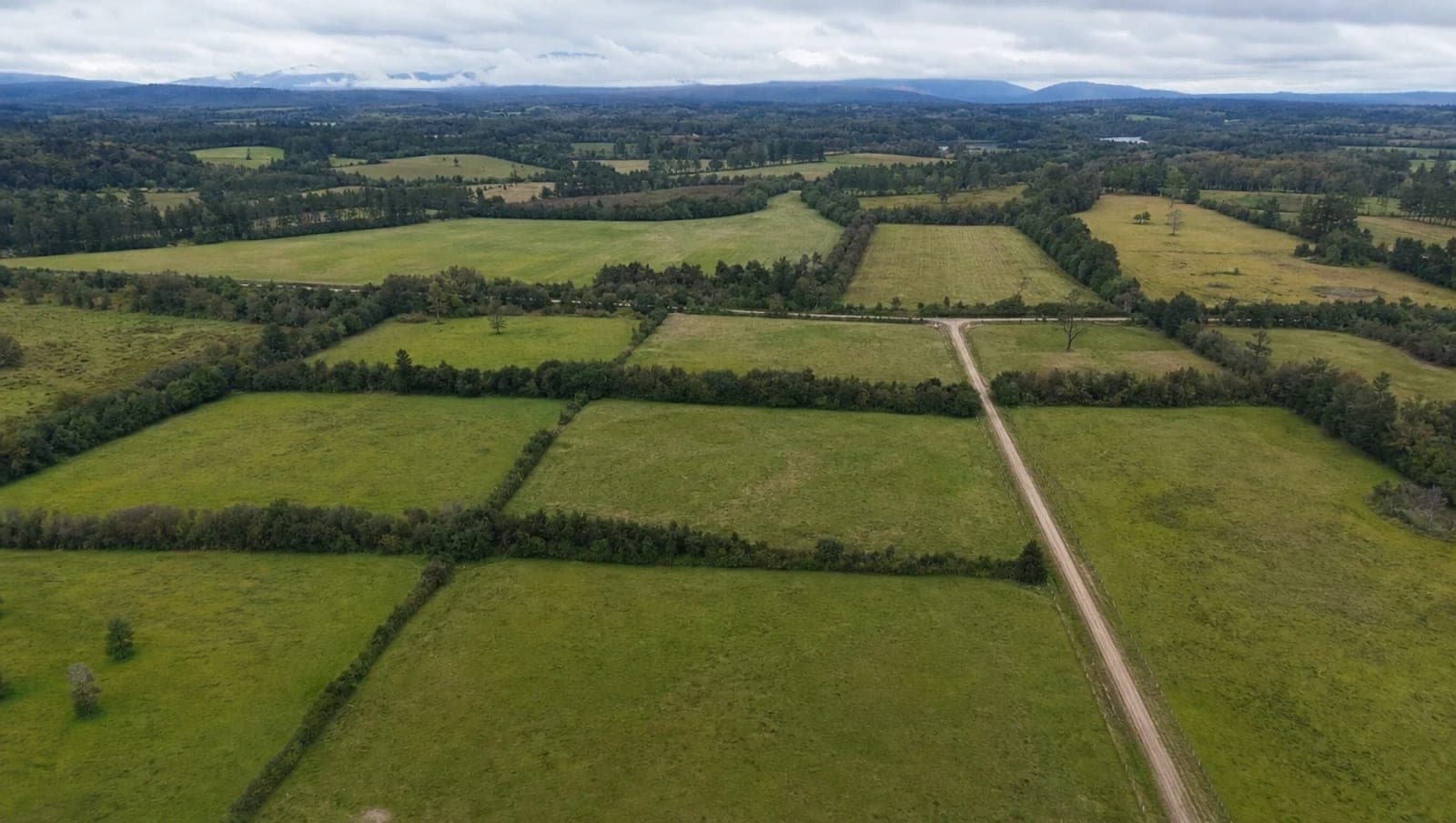
Decree Law 3,516 of 1980 sets that when subdividing rural land, each resulting lot must be at least half a hectare, that is 5,000 m². That's where the typical size of Chilean amenity parcels comes from.
And so does their tax appeal: keeping the agricultural classification means low property taxes compared to an equivalent urban site. But that same classification is what later limits what you can build, so it's best understood as a benefit with conditions.
The subdivision is certified by the Agricultural and Livestock Service. If the plan isn't approved and stamped by them, the subdivision doesn't legally exist, no matter what layout the seller shows you. The procedure and its requirements are published by the government.
Parcel or condominium: not the same thing
A lot of what's sold as a parcel is actually a unit inside a condominium, and that changes what you're buying and what obligations you take on. Law 21,442 on real estate co-ownership, in force since April 2022, distinguishes two types.
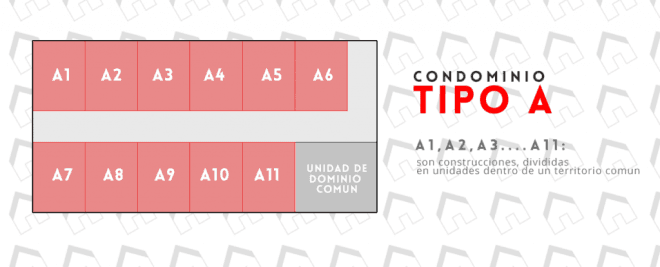
In type A the land is commonly owned and what belongs to you exclusively is the built unit. It's the logic of an apartment building applied to houses: the ground belongs to everyone.
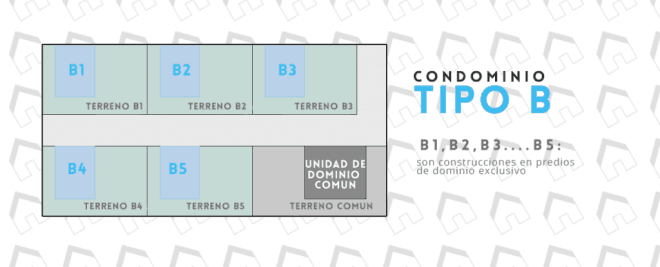
In type B each co-owner owns their site, and there's also common land: the access roads, the green areas, the gatehouse. It's the closest thing to having your own plot inside a development.
The difference matters for selling, for mortgaging and for knowing what you can do without anyone's permission. And in both cases there are common expenses and a co-ownership bylaw that binds you from day one.
What you can build there
Owning the land doesn't mean building whatever you want. Six conditions define the real margin, and all of them can be checked before buying:
- Land use. Agricultural zoning permits the owner's dwelling, not any program. A tourism or commercial project is another conversation.
- Site coverage. How much of the plot you can occupy in plan, as a percentage.
- Floor area ratio. How many total square meters you can build across all floors.
- Maximum height. In floors or meters, sometimes both.
- Setbacks, shadow planes and no-build zones. They define where you can and can't, and tend to surprise on narrow or sloped sites.
- Co-ownership bylaw. In a condominium it can fix materials, colors, heights and even deadlines to build.
The first five are public regulation, scattered across several agencies — the problem that led me to build OGUC 3D. The sixth isn't: the bylaw has to be requested and read in full before signing, because it's a private contract that will govern you for years.
Before signing
The title study is worth doing with a lawyer, and it's cheap compared to discovering later that the property has a problem at its origin. It's the only item on the list you can't resolve yourself.
What nobody tells you during the visit
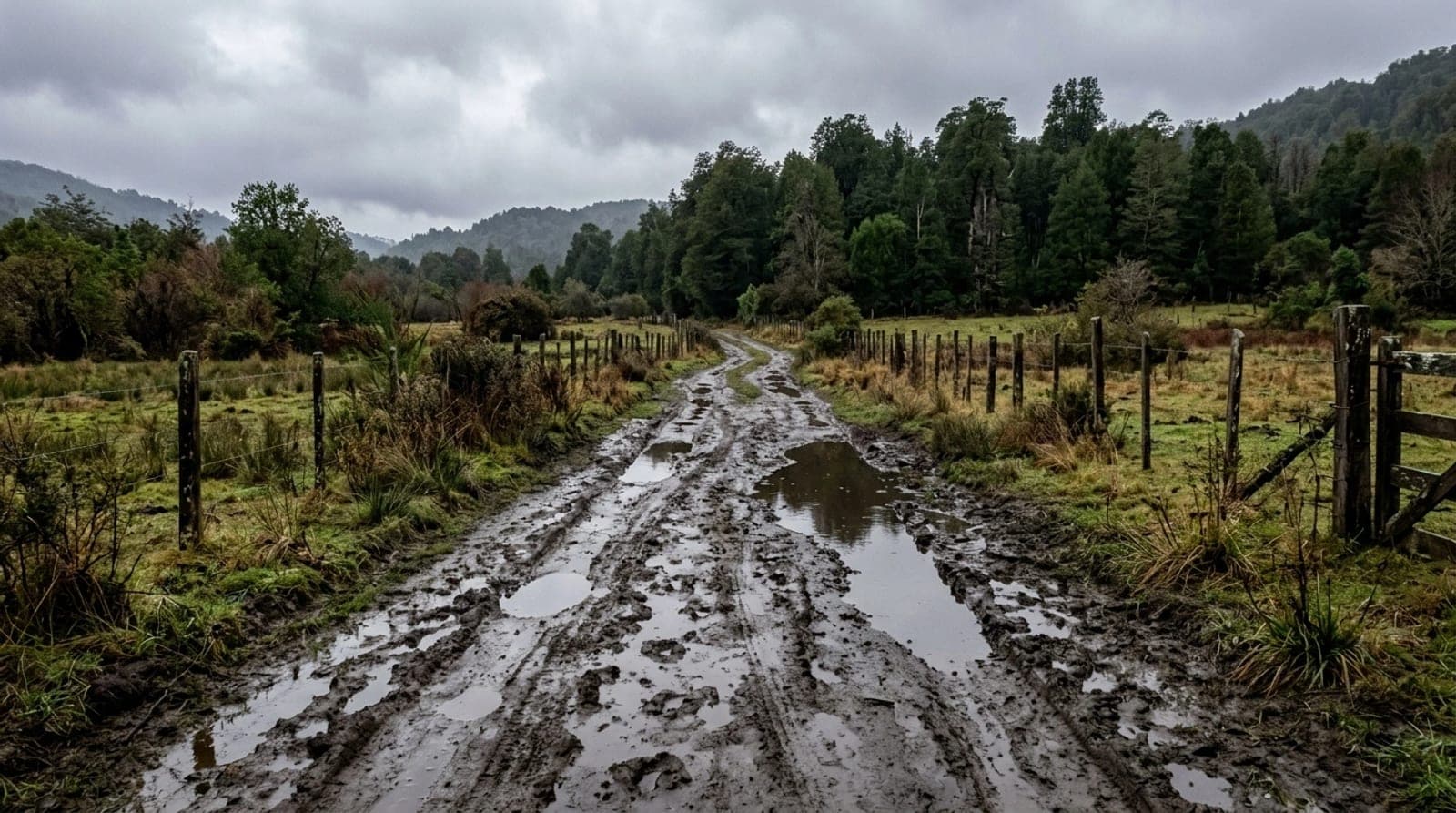
The paperwork tells you whether the purchase is safe. It doesn't tell you whether the land works for what you want to do. That you see by walking the site, looking at the soil, the vegetation and where the water runs, which is what the other article is about.
A site can have every document in order and be terrible to build on. And the other way around: one with clean paperwork and difficult soil is still worth buying, if you know what you're taking on. The two checks are different and neither replaces the other.
Ideas and learnings, once a month.